Shari’ah Principles
Financial structures are considered in relation to ribā, gharar, maysir, contractual certainty, ownership and permissible economic activity.
RESEARCH AREA
Exploring how Shari’ah principles interact with financial technology, cryptocurrency, smart contracts, digital payments, regulation and financial inclusion.
OVERVIEW
Islamic FinTech examines how modern financial technologies may be designed, governed and applied within the legal, ethical and economic principles of Islamic finance.
Islamic FinTech explores the intersection between Islamic financial principles and contemporary financial technologies.
The field includes blockchain, distributed ledger technology, smart contracts, digital assets, tokenisation, digital payments, artificial intelligence, regulatory technology and digital identity.
From a Shari’ah perspective, technology is an enabling mechanism. The technology alone does not determine whether a financial product or activity is permissible.
Assessment depends upon the underlying economic activity, contractual relationships, ownership, transfer of rights, allocation of risk and the substance of the transaction.
Financial structures are considered in relation to ribā, gharar, maysir, contractual certainty, ownership and permissible economic activity.
Blockchain, AI and programmable financial infrastructure can create new methods of delivering financial services.
Islamic FinTech requires institutional, regulatory, technological and Shari’ah governance.
Digital infrastructure may improve access to financial and social-finance services.
KEY CONCEPTS
Islamic FinTech is an ecosystem of technologies, financial structures, institutions and governance mechanisms.
Programmable instructions capable of automatically executing contractual or transactional processes when predefined conditions are met.
Contract formation, certainty, amendments, dispute resolution and automated execution.
Distributed ledger technology providing mechanisms for recording, validating and sharing transaction information.
Sukuk, takaful, trade finance, waqf, ownership records and audit trails.
Digitally represented units of value transferred using cryptographic and distributed systems.
Utility, underlying value, volatility, speculation, ownership and trading mechanisms.
Electronic payments including mobile wallets, instant transfers and programmable settlement systems.
Settlement, consumer protection, interoperability, privacy and financial inclusion.
Digital representations of financial rights, ownership interests, commodities, securities or certificates.
Assessment depends upon the underlying asset and the rights represented.
Technology supporting compliance, reporting, identity verification, monitoring and regulatory supervision.
RegTech may incorporate statutory compliance and Shari’ah governance processes.
Technology-assisted calculation, collection, administration and distribution of zakat.
Transparency, accessibility, efficiency and accountability.
Financial technology may expand access to financial services for underserved individuals and communities.
Can interact with zakat, waqf, qard and Islamic microfinance.
FRAMEWORK
Islamic FinTech operates through an interconnected ecosystem of governance, technology, financial institutions, regulators, platforms and users.
Islamic legal and ethical framework for evaluating financial activities.
Blockchain, AI, digital identity and automation infrastructure.
Banks, takaful operators, investment institutions and intermediaries.
Digital payment, financing and investment platforms.
Consumer protection, financial stability and compliance frameworks.
Zakat, waqf, sadaqah and social finance mechanisms.
RESEARCH
Digital finance creates new questions for Islamic commercial jurisprudence, financial institutions, regulators and Shari’ah governance.
How should cryptocurrencies, utility tokens and tokenised assets be classified within Islamic commercial jurisprudence?
How can automated contracts accommodate Islamic requirements for amendment, cancellation and dispute resolution?
What legal and Shari’ah structures are required for tokenising real assets, commodities and sukuk?
How should decentralised arrangements be analysed when software replaces conventional intermediaries?
How should Islamic financial institutions govern AI in investment, financing, compliance and advisory systems?
How can technology improve zakat, waqf, sadaqah and Islamic social-finance institutions?
PUBLICATIONS
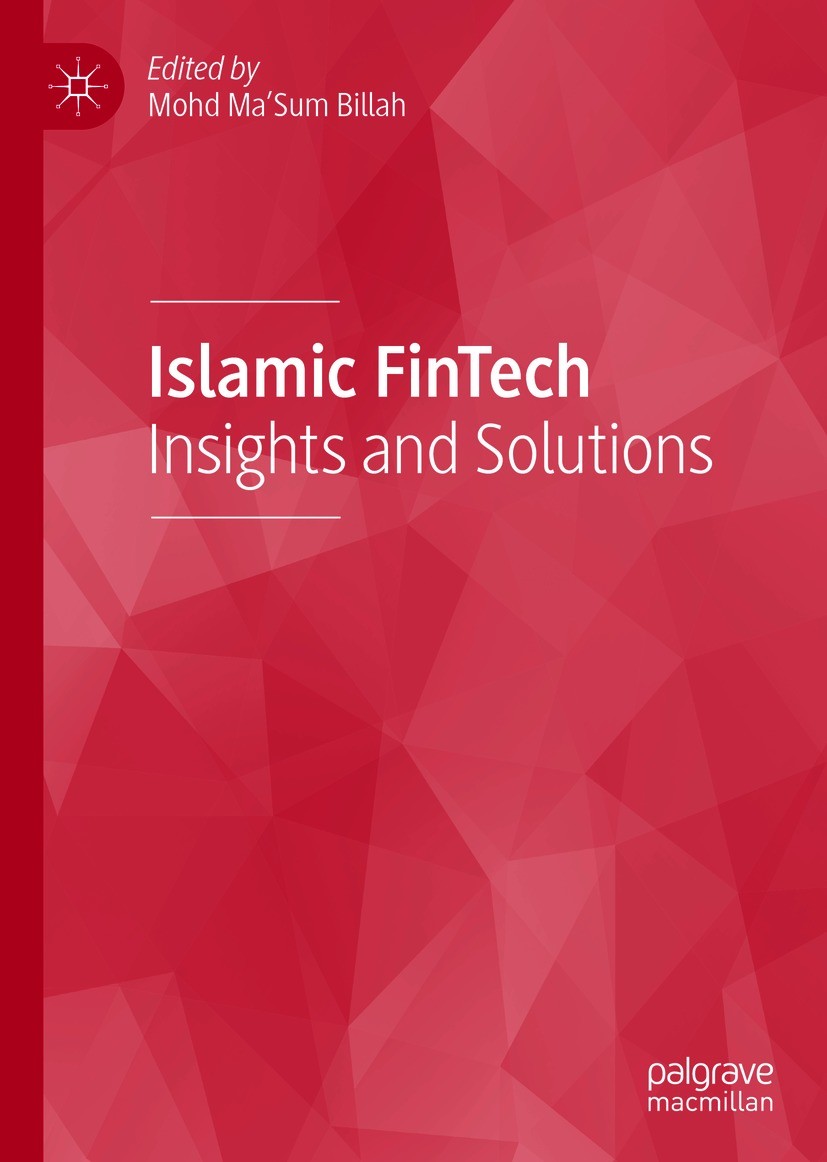
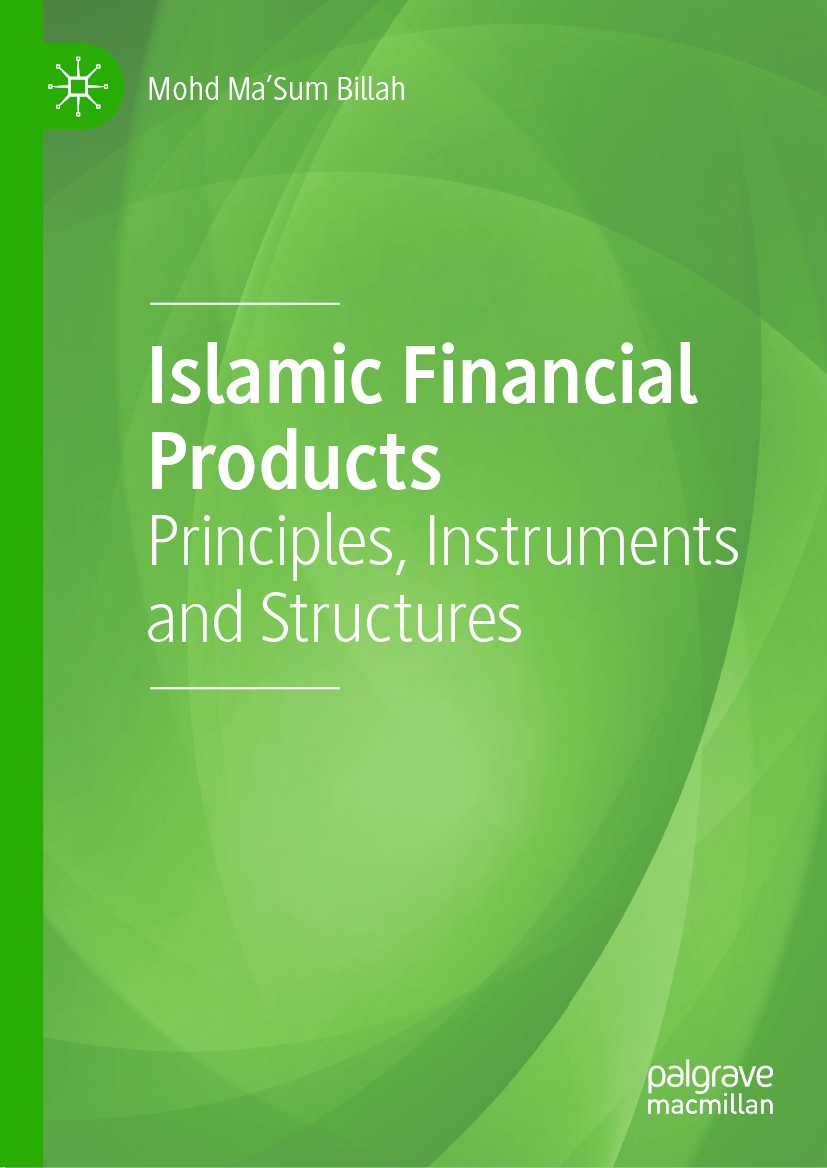
Selected publications related to Islamic finance, financial technology and contemporary financial structures.

I am the MasumBillah.org Islamic Finance Knowledge & Research Assistant.
How may I assist your research today?